The Black Panthers: Vanguard of the Revolution
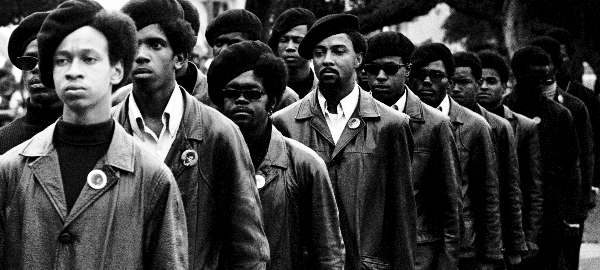
Black Panthers from Sacramento, Free Huey Rally, Bobby Hutton Memorial Park in Oakland, CA, 1969. Photo courtesy of Pirkle Jones and Ruth-Marion Baruch
Film: The Black Panthers: Vanguard of the Revolution
Director: Stanley Nelson
Genre: Documentary
Producers: Independent Lens and Firelight Films
Distributed by: Dogwoof Films
Review by Patsy Antoine
Award-winning director Stanley Nelson is well known for films which delve into the controversial nature of African American history.
Freedom Summer looked at the drive to increase the number of black voters in Mississippi in 1964 while Freedom Riders focused on the hundreds of civil rights activists who challenged the segregation of America’s Deep South in the 1960s.
His latest offering, showcased as part of Kush Film Boutique, delivers the first full-length documentary film to chart the rise and fall of the revolutionary black nationalist party – the Black Panthers And it’s compelling to watch.
Set up in Oklahoma by Bobby Seale and Huey P Newton to protect the black community from police brutality, the cool, leather-jacketed, beret-wearing image of the Black Panthers quickly inspired new followers. Especially following its armed protest at the California State Assembly, convened to discuss the possibility of making the public carrying of loaded firearms illegal. The publicity this stunt generated led to chapters of the group springing up all over America.
Some of the Panthers’ 10-point programme of demands were more achievable than others. Its free health clinics and breakfast programmes, delivering 20,000 free meals a week to young people in 19 communities at its height, revealed a solid commitment to improving the lives in some of America’s poorest communities.
But with the party’s rapid growth came the scrutiny of the FBI. COINTELPRO, the bureau’s programme to expose, disrupt, discredit and neutralise the organisation reveals the extent to which its chief, J Edgar Hoover, feared the party’s growing power base.
It was this counter-intelligence programme, introduced to “prevent the rise of a messiah”, which raises even bigger questions about the assassinations at the time – namely Malcolm X, Martin Luther King and JFK.
Nelson’s film is filled with the kinds of personalities which make for both powerful movements and compelling stories: Bobby Seale who once threatened to beat Ronald Reagan to death with a marshmallow; Eldridge Cleaver, the group’s intellectual who was eventually exiled in Liberia, and Huey P Newton, whose imprisonment for murder inspired the nationwide ‘Free Huey’ campaign.
With archive footage, interviews with ex-Panthers, policemen and historians as well as access to COINTELPRO files and memos, Nelson pulls this compelling 16-year history into two succinct hours. We’re guided through the most poignant and controversial events: the shooting of teenager Bobby Hutton and the alleged assassination of Fred Hampton, the charismatic chairman of the Illinois chapter.
But it’s the eventual public implosion of the party which leaves you feeling the most disillusioned. All the promise and hope of the party’s early years, dissolves into an ugly dispute between its leaders – Newton and Cleaver – about the party’s true focus. In the end, COINTELPRO worked, it seems.
As the end credits roll, it’s hard to leave the film without the bittersweet aftertaste of a failed revolution. Nelson’s film is, of course, essential viewing. But almost 50 years after the Black Panthers first stormed the California State Assembly, the hashtag #BlackLivesMatter questions just how far we’ve come in the intervening years.